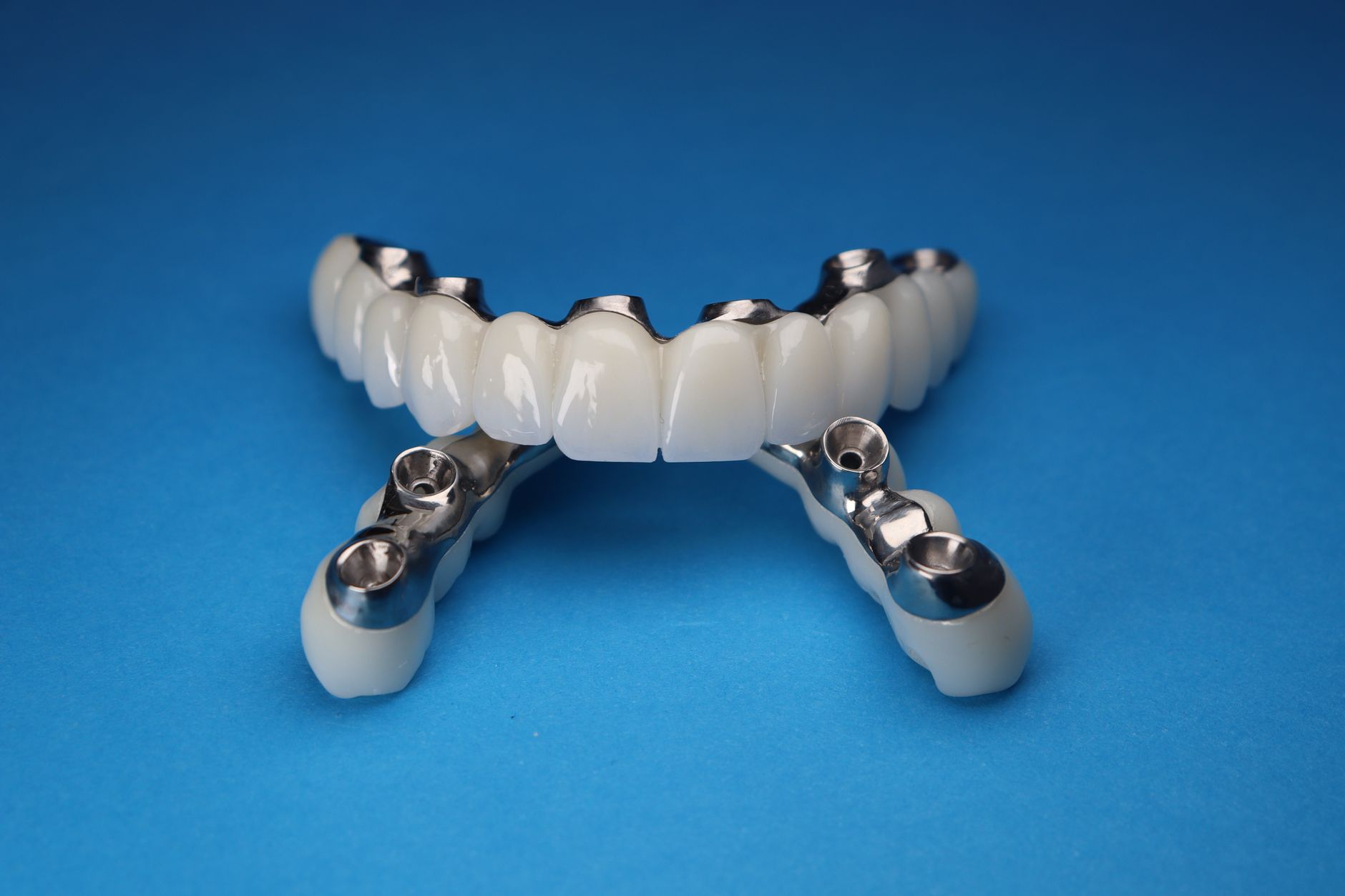
The knee implant price cap has been extended until January 15, 2027, providing crucial support for patients facing high medical costs. This decision aims to enhance accessibility to essential treatments.
Understanding the Knee Implant Price Cap
The recent decision by the National Pharmaceutical Pricing Authority (NPPA) to extend the knee implant price cap until January 15, 2027, has raised several questions among patients and healthcare providers. The knee implant price cap aims to regulate the costs associated with these crucial medical devices, ensuring that patients have access to affordable treatment options.
Under this regulatory framework, the NPPA sets a maximum price that manufacturers can charge for knee implants, which can help alleviate the financial burden on patients undergoing joint replacement surgeries. This initiative has been particularly significant in a country where healthcare costs can be exorbitant.
However, opinions are divided on whether the price cap truly benefits patients. Some argue that it leads to a decrease in the quality of implants available, while others believe it provides necessary protection against price gouging. Understanding the implications of the knee implant price cap is essential for patients and families making informed decisions about their healthcare.
As discussions continue, it remains crucial for stakeholders to evaluate the long-term effects of this price regulation on both patient outcomes and the healthcare industry.
Impact on Patients and Healthcare Providers
The extension of the knee implant price cap has sparked significant discussion among patients and healthcare providers. Many patients are hopeful that this regulation will make essential surgeries more affordable, allowing them to receive the care they need without incurring overwhelming financial burdens. However, the implications for healthcare providers remain complex.
On one hand, the price cap aims to reduce out-of-pocket expenses for patients, potentially increasing access to knee implants. On the other hand, providers may face challenges in maintaining quality and variety in their implant offerings while adhering to the set price limits. This can lead to concerns about the availability of advanced technologies and personalized options for surgical procedures.
Furthermore, the long-term impact of this decision on the overall healthcare system is yet to be fully understood. Stakeholders are encouraged to evaluate both the benefits and drawbacks of the knee implant price cap as it continues to shape patient experiences and healthcare provider practices.
As the January 15, 2027 deadline approaches, ongoing discussions will be vital in determining the best path forward.
What This Means for Future Surgeries
The extension of the knee implant price cap until January 15, 2027, signifies a pivotal moment for future surgeries in the orthopedic field. This move is designed to ensure that patients receive essential surgical interventions without the burden of exorbitant costs. As the healthcare landscape continues to evolve, the implications of this policy will be profound.
For patients, the knee implant price cap promises a more predictable and affordable pathway to treatment. The reduction in costs may encourage individuals who have been delaying surgeries due to financial constraints to seek necessary care. Furthermore, healthcare providers are likely to adapt their practices, focusing on delivering quality care while navigating the constraints of the cap.
However, it remains to be seen how this price cap will influence the availability of advanced implant technologies. There are concerns that manufacturers may limit innovation due to reduced profit margins. Overall, the knee implant price cap aims to balance affordability with the need for high-quality medical devices, shaping the future of orthopedic surgeries.
Comparing Knee Implant Costs
The recent extension of the knee implant price cap until January 15, 2027, has sparked discussions about the financial implications for patients. Understanding the costs associated with knee implants is essential for making informed decisions.
When comparing knee implant costs, several factors come into play:
- Type of Implant: Different implants can vary significantly in price, depending on their design and materials used.
- Hospital Charges: Surgical facilities may have varying fees for the procedure, impacting overall costs.
- Surgeon’s Fees: Expertise and experience can influence the fees charged by orthopedic surgeons.
- Insurance Coverage: The extent of insurance coverage can greatly affect out-of-pocket expenses for patients.
As patients navigate their options, it is crucial to consider both the quality and cost of knee implants. The price cap aims to make these procedures more affordable, but patients should still seek detailed quotes and explore all available options.
Expert Opinions on the Price Cap Extension
Experts have weighed in on the recent extension of the knee implant price cap, which is set to remain in effect until January 15, 2027. Many believe that this measure could significantly benefit patients by ensuring that they receive necessary treatments without facing exorbitant costs.
Dr. Emily Thompson, an orthopedic surgeon, noted, “The price cap is a positive step towards making knee surgeries more accessible. It alleviates financial burdens for patients who might have otherwise delayed surgery.” However, she also expressed concerns about potential impacts on the quality of implants available under the cap.
Conversely, financial analysts like Mark Johnson suggest that while the knee implant price cap may lower costs, it could also lead to manufacturers reducing investment in research and development. “We need to strike a balance,” Johnson remarked. “Affordability is crucial, but innovation should not be sacrificed.”
As the healthcare industry navigates these changes, the opinions of experts will be vital in shaping future policies regarding medical device pricing.
Regulatory Changes in Medical Pricing
The recent decision by the National Pharmaceutical Pricing Authority (NPPA) to extend the knee implant price cap until January 15, 2027, has raised significant discussions among healthcare stakeholders. This regulatory change aims to control the escalating costs associated with knee implants, which have been a burden for both patients and healthcare providers.
With the knee implant price cap in place, patients can expect greater transparency in pricing and a reduction in out-of-pocket expenses. However, the implications of this extension go beyond immediate cost savings. Healthcare providers are now tasked with adapting to the new pricing structure while ensuring quality care remains uncompromised.
Moreover, as the NPPA focuses on regulating medical pricing, it sets a precedent for other medical devices and procedures. This could lead to a broader reevaluation of pricing strategies across the healthcare sector, fostering a more equitable system for patients. Stakeholders must continue to monitor the effectiveness of the knee implant price cap and its long-term impact on patient outcomes and healthcare economics.
Patient Experiences with Knee Implants
Patients who have undergone knee implant surgeries have shared a range of experiences, particularly in light of the recent knee implant price cap extension. Many report feeling relieved that the price cap has provided financial predictability in a typically overwhelming process. For those who previously faced exorbitant costs, this cap means fewer financial burdens and greater access to necessary treatments.
However, some patients express concerns about the quality of implants covered under the price cap. Mary Johnson, a recent recipient of a knee implant, noted, “I was worried that the lower price meant I wouldn’t receive the best care. Fortunately, my surgeon assured me that the quality remains high.”
Additionally, a survey indicated that over 70% of patients felt more confident in their surgical decisions knowing the costs were capped. Yet, some voiced skepticism about the long-term implications of the price cap on innovation in implant technology.
Overall, while the knee implant price cap has improved access, ongoing discussions about quality and long-term outcomes remain essential for patient peace of mind.
Photo by Zeynep Kahraman on Pexels
Sources
Related stories
Drug price hikes in Germany: Are they worth the cost? · FDA Approval for J&J Drug: Quick Treatment for Head & Neck Cancer · Vodafone stake acquisition: Clear path to proven growth