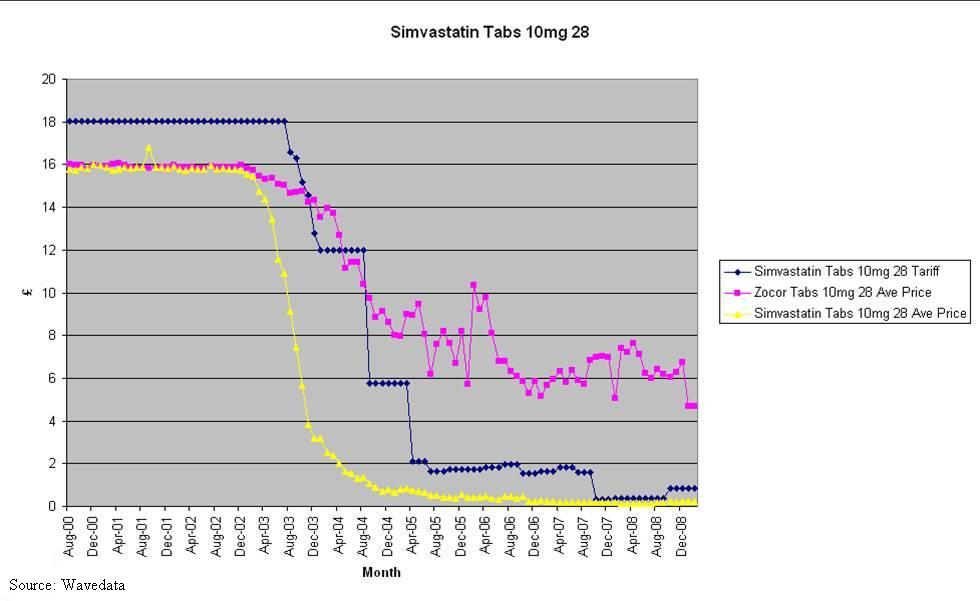
pharma prices are a growing concern for many consumers. Understanding the factors behind these costs is essential for making informed healthcare decisions.
Understanding Pharma Prices
The rising cost of medications has become a critical issue for many individuals and families. Understanding pharma prices is essential to grasp the factors that contribute to these increasing expenses. Several key elements influence the pricing of pharmaceuticals, leading to significant variations in costs across different regions and healthcare systems.
- Research and Development: The lengthy and expensive process of developing new drugs contributes to higher pharma prices. Pharmaceutical companies invest billions in research to create innovative treatments, and these costs are often passed on to consumers.
- Manufacturing Costs: The production of medications involves complex processes and quality control measures that can drive up prices. These costs vary depending on the type of drug and the materials used in its production.
- Market Dynamics: Supply and demand also play a significant role in pharma prices. When a particular medication is in high demand, or if there are few alternatives available, prices can skyrocket.
- Regulatory Factors: Government regulations and approval processes can add to the overall costs of pharmaceuticals, impacting their final pricing.
- Insurance and Reimbursement: The role of insurance companies and how they reimburse medications can lead to disparities in what consumers ultimately pay for their prescriptions.
By exploring these factors, we can better understand the true costs associated with pharma prices and the challenges many face in affording essential medications.
The Impact of Rising Costs
The rising costs of medications have significant implications for patients, healthcare providers, and the overall economy. As pharma prices continue to climb, many individuals are faced with difficult choices regarding their health and financial well-being.
One major impact of increasing pharma prices is the burden it places on patients. Many people struggle to afford essential medications, leading to non-adherence to prescribed treatments. This can result in:
- Worsening health conditions: Skipping doses or not taking medications as directed can lead to serious health complications.
- Higher healthcare costs: When patients do not manage their conditions effectively, they may require more extensive and expensive medical interventions later on.
- Increased financial strain: Out-of-pocket costs for medications can lead to significant financial hardship for families.
Moreover, healthcare providers are often caught in the middle. They may have to spend more time and resources assisting patients in navigating the complexities of insurance coverage and medication costs. This not only affects the quality of care provided but also places additional pressure on an already strained healthcare system.
In light of these challenges, it is essential for policymakers to address the issue of rising pharma prices and seek solutions that ensure access to affordable medications for all.
Patient Perspectives on Drug Pricing
As discussions around pharma prices continue to escalate, patients are increasingly vocal about their experiences navigating the complex landscape of medication costs. Many individuals report feeling overwhelmed by the financial burden of essential drugs, often forced to make difficult choices that impact their health and well-being.
A recent survey highlighted several key concerns among patients regarding drug pricing:
- Affordability: Many patients struggle to afford their prescribed medications, leading to skipped doses or, in some cases, abandoning treatment altogether.
- Transparency: There is a widespread call for greater transparency in how pharma prices are determined, with patients seeking clarity on the factors that contribute to soaring costs.
- Access: Patients are increasingly worried about access to vital medications, particularly those with chronic conditions that require ongoing treatment.
One patient, Jane Doe, shared her story, stating, “I never thought I would have to choose between paying for my medication and paying my rent. The rising pharma prices have made it nearly impossible to manage both.” Such sentiments are echoed by countless others, emphasizing the urgent need for change in the pharmaceutical industry. As stakeholders grapple with solutions, patient voices remain a crucial part of the conversation on how to address the real cost of medications.
Comparing Pharma Prices Globally
The issue of pharma prices extends beyond national borders, as countries vary significantly in their medication costs. A comprehensive look at global pricing reveals disparities that can affect access to essential drugs.
In the United States, the pharma prices are often the highest in the world. Factors contributing to this trend include:
- Market Exclusivity: Patent protections can prevent generic alternatives from entering the market, allowing companies to set higher prices.
- Regulatory Environment: The approval process for medications can be lengthy and costly, leading companies to recoup their investments through higher prices.
- Insurance Structures: The complexities of insurance and reimbursement models can also inflate costs for consumers.
In contrast, countries such as Canada and many in Europe implement price control measures, which can lead to lower pharma prices. For instance:
- Canada: Uses a national formulary to negotiate prices, ensuring that they remain affordable.
- Germany: Requires pharmaceutical companies to negotiate prices with health insurers, which can lead to more competitive pricing.
These differences highlight the importance of understanding how pharma prices are influenced by various factors, ultimately affecting patient access to necessary medications worldwide.
Government Regulations and Pharma Prices
Government regulations play a crucial role in shaping the landscape of pharma prices. These regulations are designed to ensure that medications are both safe and effective, but they also directly impact the cost consumers face. In many countries, the balance between regulation and pricing can be a contentious issue.
One of the primary ways governments attempt to control pharma prices is through pricing negotiations with pharmaceutical companies. These negotiations can lead to lower prices for consumers, but they can also result in tensions between companies and regulators. The following are some key points regarding government regulations and their effects on drug pricing:
- Price Controls: In some countries, governments impose price controls on medications to keep them affordable for patients. This can limit the profits of pharmaceutical companies but can also increase access to essential drugs.
- Patents and Exclusivity: Governments grant patents to encourage innovation, but this can lead to prolonged periods of high prices as companies maintain exclusive rights to their products.
- Transparency Initiatives: Some governments are pushing for greater transparency in drug pricing, requiring companies to disclose their costs and pricing strategies to promote fair competition.
Ultimately, while government regulations aim to protect consumers, they also contribute to the complex dynamics of pharma prices, making it essential for stakeholders to engage in ongoing dialogue about the best approaches to balance affordability and innovation.
Innovations in Medication Pricing
Innovations in medication pricing have emerged as a critical area of focus within the pharmaceutical industry, particularly as consumers and healthcare providers seek more transparency regarding pharma prices. As technology advances, new models for pricing and distribution are being explored to manage the escalating costs associated with medications.
One significant development is the implementation of value-based pricing models. This approach links the cost of a medication to the health outcomes it delivers, ensuring that patients and payers only pay for effective treatments. Such models encourage pharmaceutical companies to invest in research and development that leads to genuinely beneficial therapies while potentially lowering overall healthcare spending.
Additionally, digital platforms are facilitating greater access to information about drug costs. Patients can now compare prices across various pharmacies, empowering them to make informed choices. These platforms also include resources for understanding insurance coverage, co-pays, and assistance programs, which can help mitigate out-of-pocket expenses.
Moreover, collaborations between pharmaceutical companies and tech startups are paving the way for innovative pricing strategies, which may include subscription models that allow patients to access medications for a fixed monthly fee. These innovations aim not only to reduce the burden of high pharma prices but also to ensure that essential medications remain accessible to those in need.
The Future of Pharma Prices
The future of pharma prices is a topic of increasing concern among healthcare professionals, policymakers, and patients alike. As the landscape of the pharmaceutical industry evolves, several factors will likely shape how medications are priced in the coming years.
One major influence will be the ongoing advancements in technology and data analytics. Pharmaceutical companies are increasingly using real-world evidence and big data to determine the effectiveness and value of their products. This shift could lead to more personalized pricing strategies that reflect the true value of medications to patients.
Another critical factor is the role of government regulations and policies aimed at controlling costs. As public pressure mounts for affordable medications, we may see more stringent measures introduced to limit price increases and enhance transparency in pharma prices.
Moreover, the rise of biosimilars and generic medications could also play a significant role in moderating prices. These alternatives provide patients with more options and can foster competition in the marketplace, driving prices down.
Ultimately, the future of pharma prices will depend on a delicate balance between innovation, regulatory frameworks, and the demands of consumers. As stakeholders continue to advocate for fair pricing, the dialogue surrounding the real cost of medications will remain a vital aspect of healthcare discussions.
By Charles Joynson – Managing Director via Openverse